The Dark Side of AI: Protecting Your Business from Deepfakes and Voice Cloning in 2026
Descripción de la publicación.
1/15/20261 min read
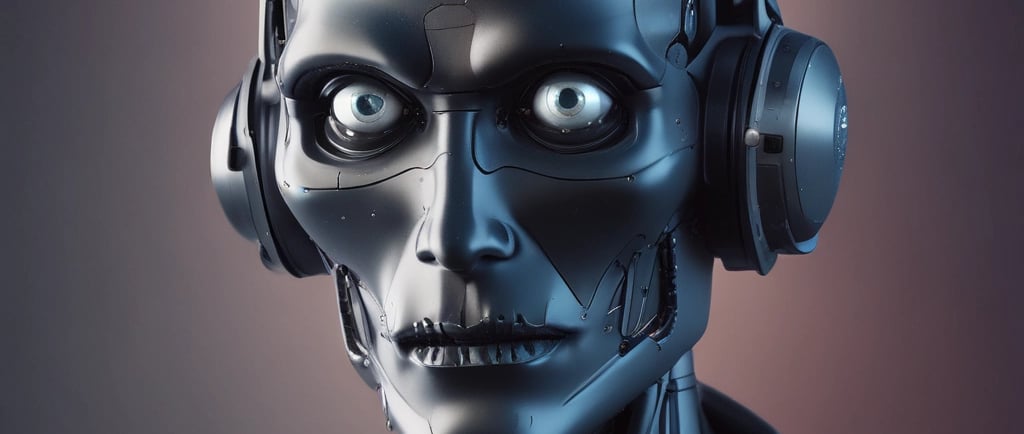

The Dark Side of AI: Protecting Your Business from Deepfakes and Voice Cloning in 2026
Artificial Intelligence tools like Nano Banana have revolutionized creativity, allowing us to generate photorealistic images in seconds. However, this same technology has a darker application that every business owner and freelancer needs to be aware of: Identity Theft via Deepfakes.
As the lines between reality and AI generation blur, cybersecurity has become the single most critical investment for digital companies. In this comprehensive guide, we explore the risks and the defense strategies you need to implement today.
1. The Rise of "CEO Fraud"
Cybercriminals are no longer sending poorly written phishing emails. They are using AI to clone voices.
The Scenario: An employee receives a voice note on WhatsApp from their "boss" asking for an urgent wire transfer. The voice sounds identical, the cadence is perfect, but it’s actually an AI clone generated from a 3-second audio clip found on YouTube.
The Defense: Companies must implement "Safe Words" or multi-factor authentication protocols that go beyond voice or video verification.
2. Deepfakes in Video Conferencing
It sounds like science fiction, but real-time video swapping is here.
The Threat: Hackers can now overlay an AI face onto their own during a Zoom call to impersonate clients or partners.
Detection Tools: New security software is emerging that analyzes "micro-jitters" in pixels—tiny glitches that human eyes miss but AI security scanners can detect.
3. Protecting Your Biometric Data
If you use FaceID or voice recognition for banking, you are vulnerable.
The Risk: High-resolution AI images can theoretically trick older biometric sensors.
The Solution: Upgrade to hardware-based security keys (like YubiKeys) and ensure your devices use 3D depth-sensing cameras, not just 2D image recognition.
4. How to Spot AI-Generated Phishing
AI models like ChatGPT can write perfect emails, removing the grammar mistakes that used to give scammers away.
What to look for: Instead of typos, look for "contextual vague-ness." AI phishing attempts often lack specific internal details about your company projects.
Action Step: Invest in enterprise-grade email filtering systems that use their own AI to fight malicious AI.
Contact
Reach out for support or collaboration.
© 2025. All rights reserved.