Investing in the AI Boom: Beyond the Hype (2026 Guide)
Descripción de la publicación.
1/15/20261 min read
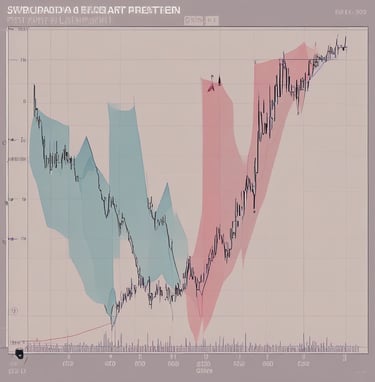
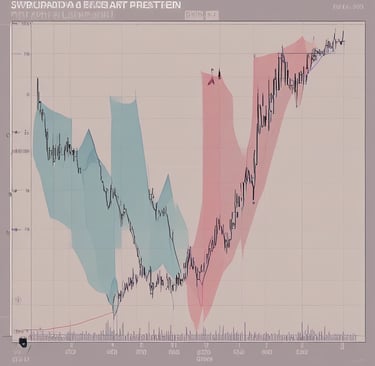
Artificial Intelligence is no longer just about generating cool images with Nano Banana. It is the engine driving the global economy. For creators and tech enthusiasts, understanding where the money is flowing is just as important as knowing the perfect prompt.
If you are looking to invest in the technology that powers your favorite tools, here is a breakdown of the AI market landscape in 2026.
1. The "Pick and Shovel" Strategy (Hardware)
In the gold rush, the people who sold the shovels made more money than the miners. In AI, the "shovels" are the computer chips.
Semiconductors: AI models like Nano Banana require massive computing power. Companies that design the GPU chips and the foundries that manufacture them are the backbone of the entire industry.
Data Centers: The cloud infrastructure that hosts these models is expanding rapidly. Real Estate Investment Trusts (REITs) focused on data centers are a smart way to bet on AI physical infrastructure.
2. The Software Giants (The Model Owners)
This is the most direct way to invest. It involves buying stock in the companies that own the foundational models.
Big Tech: The giants (like Microsoft, Google, and emerging AI-first labs) are integrating AI into everyday software. They have the cash flow to sustain the expensive training costs of future models.
SaaS Integration: Look for companies that are successfully integrating AI to boost productivity, not just using it as a buzzword. Adobe is a prime example of successfully monetizing AI with tools for creatives.
3. AI-Focused ETFs (The Safer Bet)
Picking individual winners is risky. An Exchange Traded Fund (ETF) allows you to invest in a basket of 30-50 AI companies at once.
Why ETFs? If one startup fails, the success of a chip manufacturer balances your portfolio. Look for ETFs specifically labeled as "Robotics and Artificial Intelligence."
⚠️ Important Disclaimer
This article is for informational purposes only and does not constitute financial advice. The stock market is volatile. Always do your own research or consult with a certified financial advisor before investing.
Contact
Reach out for support or collaboration.
© 2025. All rights reserved.